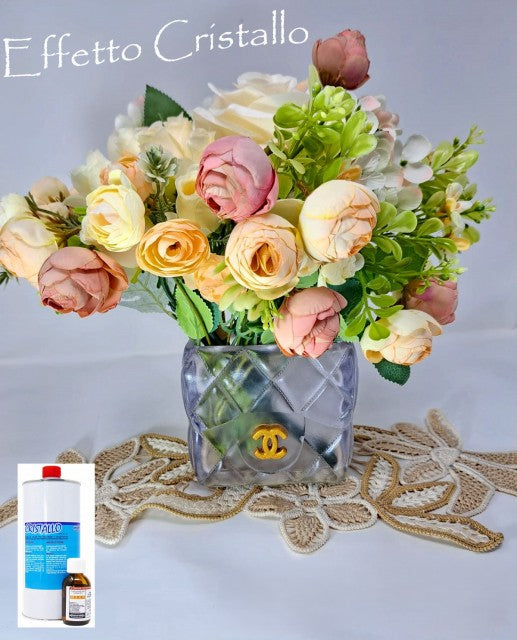


Crystal Effect. Casting Resin
Crystal Effect. Casting Resin
Couldn't load pickup availability
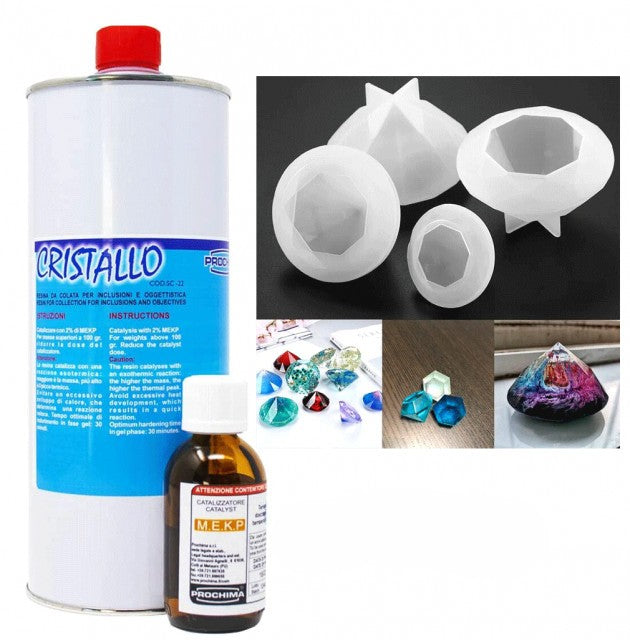
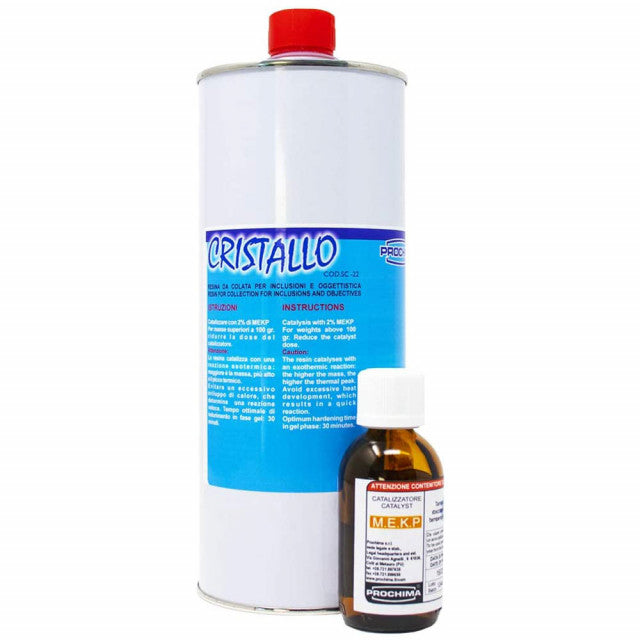
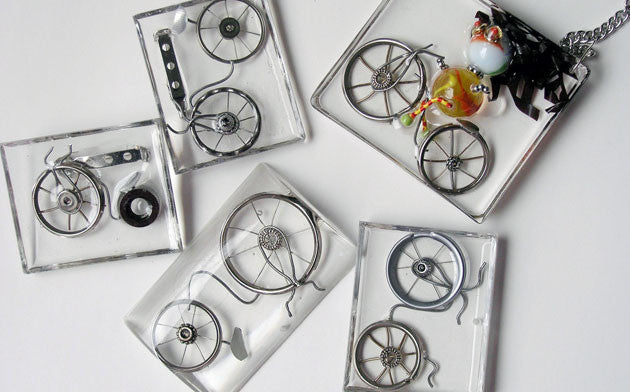
Crystal SC-22. Transparent polyester casting resin with catalyst. 1 kg container. The main characteristic of this resin is its transparency. It is particularly suitable for creating small casting pieces, even with embedded objects, such as costume jewelry that must remain perfectly visible. Virtually colorless, it does not yellow even when exposed to light. This resin is normally used pure, without the addition of fillers. The percentage of accelerator contained allows castings with masses of up to 200-300 g and thicknesses of up to 1 cm without excessive heat development, with a curing time of approximately 30 minutes at 25°C. The recommended catalyst dose is 1-2%: the greater the casting mass, the lower the recommended amount of catalyst.
Instructions for use:
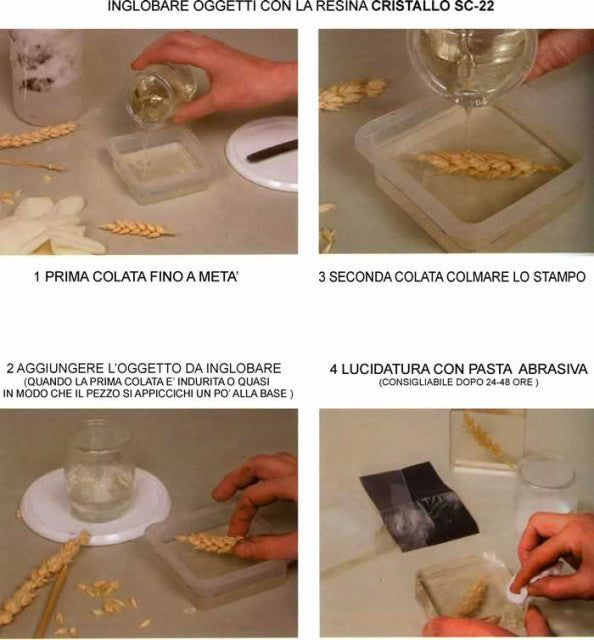
Weigh a quantity of resin equal to 1/3 of the volume of the chosen mold for embedding into a polyethylene or metal container. Do not prepare masses greater than 300 grams to avoid the development of excessive heat, which is released during the reaction. Add 2% MEKP catalyst (20 drops = 1 gram), then 40 drops for every 100 grams of resin. Mix well with a spatula or wooden stick. Pour the mixture into the mold to create the support layer. Wait for the resin to begin to gel, then place the object to be embedding in the center. For flowers or insects, it is advisable to brush them first with the same mixture prepared for the first layer, to avoid air bubbles becoming trapped. Prepare, as above, another mixture of resin and catalyst, in the amount needed to fill the mold, and pour it to the edge. Wait a few minutes for any air bubbles to escape, then place a sheet of Mylar or nylon over the resin. This will give the surface a shiny, sticky finish. Wait 2-3 hours for it to harden before unmolding. Remove the Mylar sheet and remove any burrs with fine-grit sandpaper. If the surface feels slightly sticky, wash with acetone. To remove dullness in areas sanded or washed with acetone, buff with abrasive paste.
NB: Polyester resins give off a strong, pungent styrene odor during processing. The resulting pieces will continue to smell for several days until the styrene has fully reacted. It is therefore necessary to work in suitable, well-ventilated environments.